How to Tell a Client the Job Will Cost More Than Quoted (5 Templates)
Published 24 August 2026 · 7 minute read · The ReciteMail Blog
The wall is open and there it is: the rot, the dodgy wiring, the pipe nobody could have seen from the survey. The quote you gave in good faith no longer covers the job that actually exists. Now you have to send the email every tradesperson dreads. Sent well, it is a non-event, the client grumbles, agrees and later tells people you were straight with them. Sent late or vaguely, it becomes a dispute, a review and an unpaid balance. Here is the difference: tell them the day you find it, show the evidence, give them real choices and get the yes in writing, plus five copy-paste templates for how it actually happens.
First, know which situation you are in
A quote is a promise and clients are right to hold you to it. You cannot price a defined scope, do exactly that scope and then ask for more, that is just a price rise in a trench coat. What legitimately changes the number is a change in the work: hidden conditions revealed once things were opened up, the client adding wishes mid-job ("while you are here, could you also...") or facts on the ground that no reasonable survey would have caught. In most places the rule of thumb is written into law or trade practice: variations to the agreed work should be recorded in writing and agreed before the extra work is done. Check what applies to your trade where you operate. The customer-trust rule is universal and stricter than any statute: no number on the final invoice that the client is seeing for the first time.
This is also the moment your paperwork earns its keep. A quote that spelled out what was included and what was excluded, the kind covered in the quote email guide, makes the extra-cost conversation ten times easier, because you are pointing at a line that says "assumes sound joists" rather than arguing about what everyone silently assumed.
The same-day rule
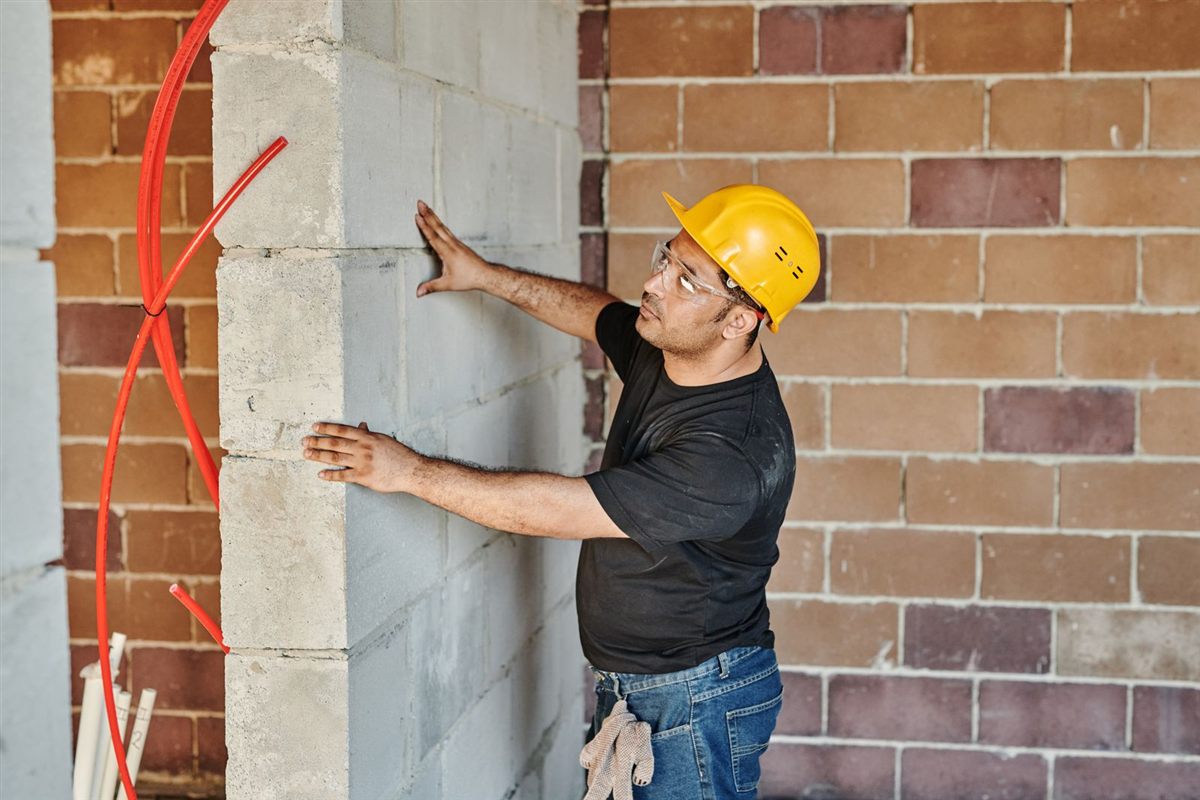
Timing does more work than wording here. Tell the client the day you discover the problem, before a cent of the extra work happens. Every silent day between discovery and disclosure reads as concealment, even when it was just you dreading the conversation. Same-day disclosure does three things at once: it gives the client a genuine choice while choices still exist, it proves the increase is about the job and not about squeezing them once they are committed and it keeps the sequence right for the written variation, agreement first, work second.
Take the photos the moment you open it up, before any cleanup. A picture of the rotten joist does the persuading no paragraph can. The client was not there when you found it. The photo puts them there.
The shape of the email
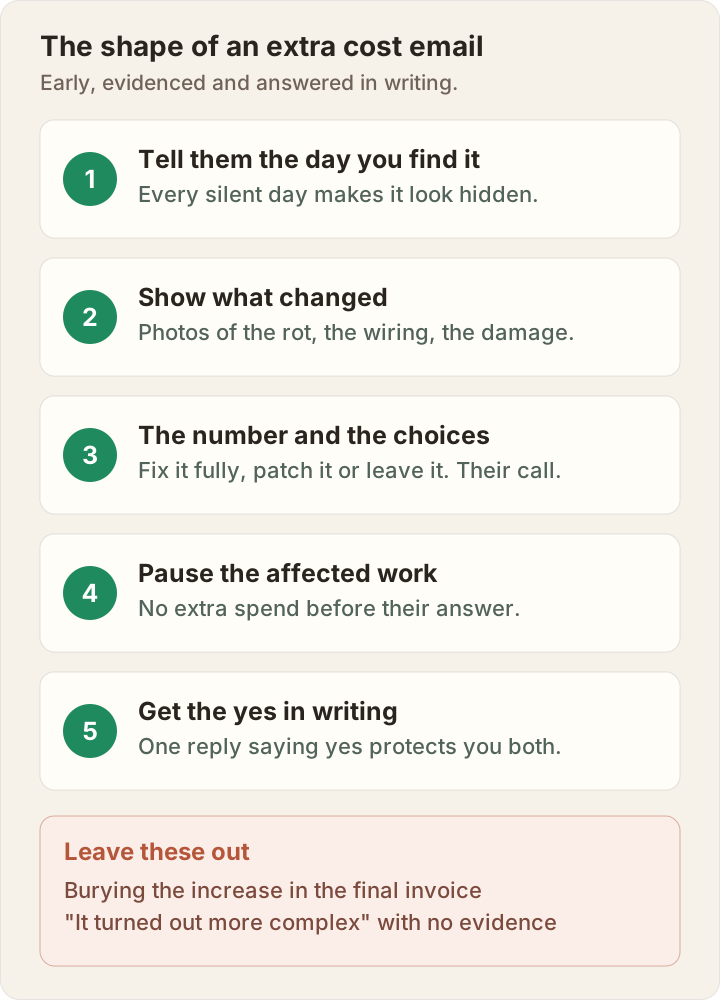
Two wording habits carry the tone. Give both numbers, the cost of the extra work and the new total. Then the client never does anxious arithmetic alone. And give choices with consequences rather than a single demand: fix it properly at X, do the minimum safe version at Y or, where it is genuinely optional, leave it and here is what that means. A client handed a decision stays a partner. A client handed a bill becomes an opponent.
Extra cost email templates
Five templates for the ways this moment actually arrives. Swap the brackets, attach the photos and keep the affected work paused until the reply lands.
Subject: [The job] at [address]: found something you need to see
Hi [name], an update from today. I wanted you to hear it the day we found it. When we [opened up the floor / lifted the tiles], we found [the problem, e.g. rot in two of the joists]. Photos attached so you can see exactly what we are looking at. This was not visible when I quoted and it does need dealing with before we can [continue safely / close it back up]. Two options: [the proper fix] at an additional [amount], bringing the total to [new total] or [the minimum version] at [amount]. My honest recommendation is [which and the one-line why]. I have paused that section until you decide, everything else carries on as planned. Reply with which option suits and we keep moving. Happy to talk it through on the phone too.
[Your name], [business]
Subject: The extras we discussed today, in writing
Hi [name], good chat this morning. As promised, here is the "while you are here" list in writing so we are both looking at the same thing: [the added items]. That work sits outside the original quote. The addition comes to [amount], taking the total to [new total]. Timing-wise it adds [days] to the schedule. If you are happy, just reply yes to this email and I will fold it into the plan. If you would rather park any of it for another visit, no problem at all, tell me which.
[Your name], [business]
Subject: Re: your quote for [the job], one update before we book
Hi [name], before we lock in dates I owe you one piece of straight talk. Since I quoted in [month], the price of [the material] has risen [roughly how much], which moves my quote from [old total] to [new total]. I would rather tell you now than absorb it badly or surprise you later. The new figure holds until [date]. If the budget was tight at the old number, tell me and I will look at [the honest lever, e.g. an alternative spec for the material] to bring it back down. Either way you decide with the real numbers in front of you.
[Your name], [business]
Subject: Confirming the change we agreed: [short description]
Hi [name], thanks for the quick decision on the phone just now. Confirming in writing so we both have it: we agreed to [the extra work] at an additional [amount], bringing the project total to [new total], with the schedule now finishing around [date]. One-line reply to confirm and that section restarts [when]. Photos of what we found are attached for your records.
[Your name], [business]
Subject: Re: [their subject]
Hi [name], I completely understand, nobody budgets for this and I am sorry the job is the one bringing the news. Two things I want to be clear about. Everything in the original quote is still at the original price, that has not moved and will not. The extra [amount] covers only [the new problem], which did not exist as far as anyone could see when I priced the job, the attached photos show what we found. If the full fix is too much right now, the honest middle path is [the smaller option] at [amount], which [what it achieves and what it defers]. What I cannot do in good conscience is [close it up / carry on] as if we had not seen it. Tell me which way you want to go and we will make it work.
[Your name], [business]
When the answer is no
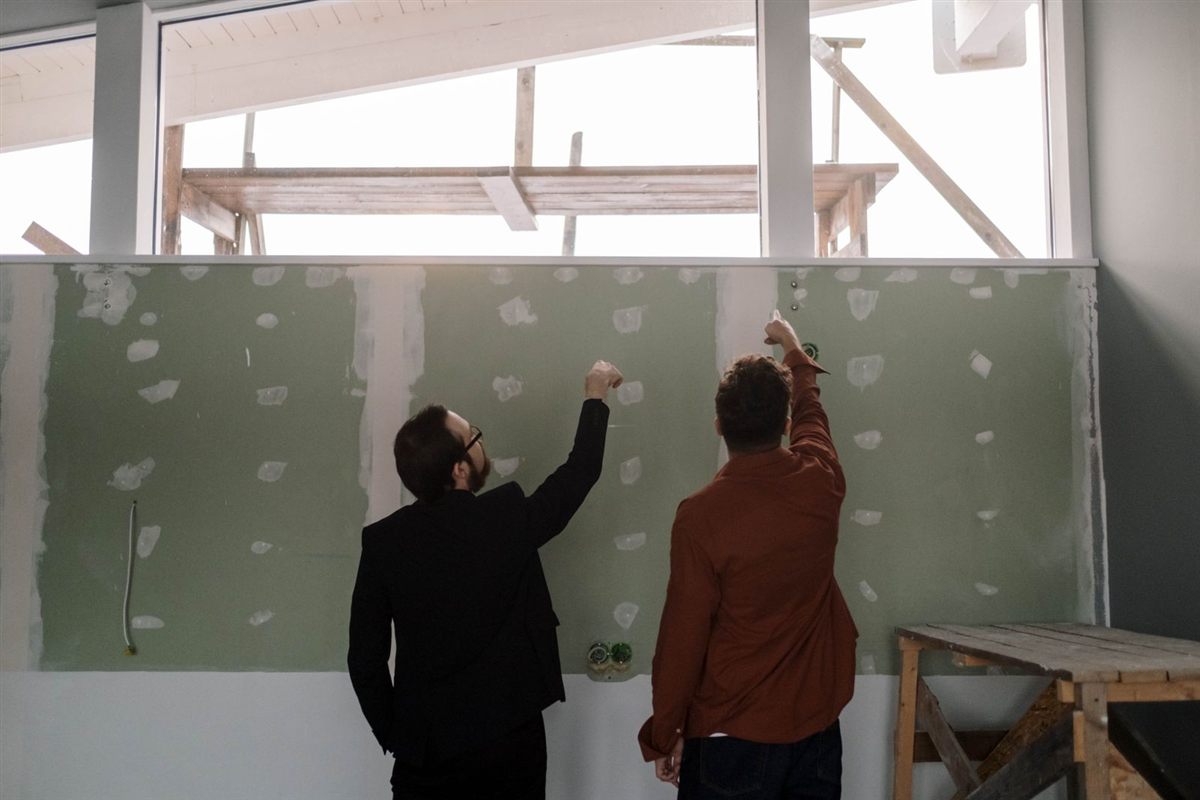
Separate the two refusals, because they need opposite responses. A client who declines the extra work is exercising a right: complete the original scope where that is still safe and possible, then record in writing that the issue was found, explained and declined, one calm sentence in an email protects you from owning that problem in two years. Our guide to confirming a verbal agreement by email covers the version for when they say yes. A client who wants the new work at the old price is a different conversation, usually a sign the news landed badly somewhere. Walk the photos again, hold the original-scope price rock steady the way the discount request guide teaches, then offer the smaller option with a straight face. If they still insist you absorb it, you have learned something valuable about the invoice conversation coming later, which is exactly the risk deposits and written variations exist to contain. And should that invoice eventually drift, the reminder ladder is ready.
The email you write from the van
The reason this email so often goes out late and vague is not cowardice, it is logistics. You find the rot at 3pm, you are covered in dust, the right email needs photos, two prices, two options and a calm tone. It is competing with the rest of the day. So it becomes "found some issues, will explain tomorrow". Then tomorrow does the damage. That is the job ReciteMail does: it learns your voice from emails you have already sent, then turns "tell Sarah we found rot in two joists, photos attached, proper fix 900 or sister them for 450, recommend the fix, paused till she answers" into the finished email while you are still on site. It runs on your PC, never connects to your inbox and nothing sends without you. See how it fits the trades.
The extra cost email is a trust receipt. Handled early and evidenced, it proves you charge for what the job needs and not a penny in the dark. Most clients forget the amount within a month. What they remember for years is whether they found out from you or from the invoice.
Common questions
Can a contractor charge more than the quote?
Not for the same scope of work. A fixed quote for a defined job binds you to that price, which is exactly why clients trust quotes. What changes the maths is a change in the work itself: hidden damage discovered once things are opened up, the client adding items mid-job or conditions nobody could see from the survey. Then extra payment is legitimate, provided the client agrees to the variation in writing before the extra work happens. Rules differ by country and trade, some places require signed variations for them to be enforceable at all. Know your local requirements. The principle everywhere is the same: no surprise on the final invoice.
When should you tell the client the price is going up?
The day you discover the problem, before any of the extra work happens. Every silent day between discovery and disclosure reads, fairly or not, as concealment. Telling them immediately does three things: it gives them a genuine choice while choices still exist, it proves the increase is about the job rather than about squeezing them and it keeps you on the right side of the rule that variations need agreement before the work, not after. The awkward email on Tuesday is always cheaper than the furious one after the invoice.
What should an extra cost email to a client include?
Five things: what you found, in plain words. Evidence, ideally photos taken the moment you opened it up. Why it was not in the quote, without defensiveness, hidden is hidden. The number, both the cost of the extra work and the new total so nobody does anxious arithmetic. And the options: fix it fully, do the minimum safe version or in some cases leave it, each with its consequence spelled out. Close by saying the affected work is paused until they decide and ask for a reply confirming their choice. That reply is your written variation.
What if the client refuses to pay the extra cost?
First separate the two possible refusals. Refusing the extra work is their right, you then complete the original scope where that is still possible, note in writing that the issue was found, declined and left. That protects you from owning it later. Refusing to accept that the extra work costs extra is different. It is usually a sign the news arrived badly: too late, without evidence or bundled into an invoice. Walk them through the photos, offer the cheaper option honestly and stay calm. If a client insists you absorb genuinely new work at the old price, that is a client teaching you why deposits and written variations exist.
The hard email, written before you leave site
ReciteMail drafts variation emails, quotes, deposit requests and every repeating client email in your own voice, learned from mail you have already sent. It runs on your PC, never connects to your inbox and your client details never leave your machine. Free for 7 days, no card needed.
Start your free trial