How to Send an Invoice by Email: 7 Templates That Get Paid
Published 20 August 2026 · 8 minute read · The ReciteMail Blog
Most businesses obsess over winning the work and treat the bill as admin. Then they wonder why the money takes six weeks. The truth about small business cash flow is that the invoice email itself, when it goes, what it says, how easy it makes paying, decides payment speed as much as any client's habits do. Here is when to send it, the five-part shape that makes paying the path of least resistance, the pre-due nudge that quietly prevents most late payments, plus seven copy-paste templates from the deposit request to the corrected bill.
Gratitude pays faster than memory
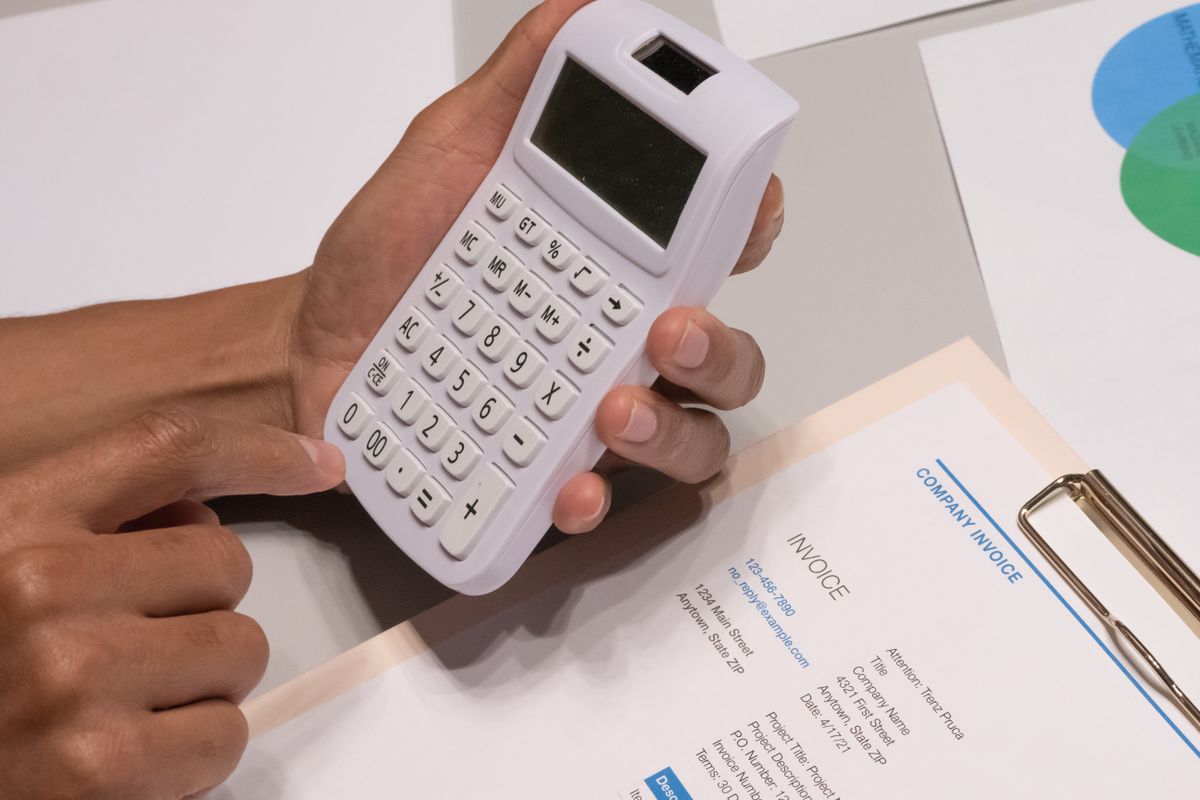
There is a window after a job finishes when the client is genuinely pleased: the deck looks great, the site launched, the shipment landed. An invoice that arrives inside that window gets paid on feeling. An invoice that arrives three weeks later gets paid on process, by someone who has mentally filed the whole thing away and now sees only a cost. Same work, same number, very different queue.
Late invoicing also teaches a quiet lesson you never meant to give: if billing is casual on your side, paying can be casual on theirs. The businesses that get paid fastest are rarely the ones with the firmest chasing letters. They are the ones whose invoice hits the inbox while the thank-you is still warm, which makes same-day invoicing the single cheapest cash flow improvement available to a small business. It costs one email, sent at the right moment.
The shape of an invoice email
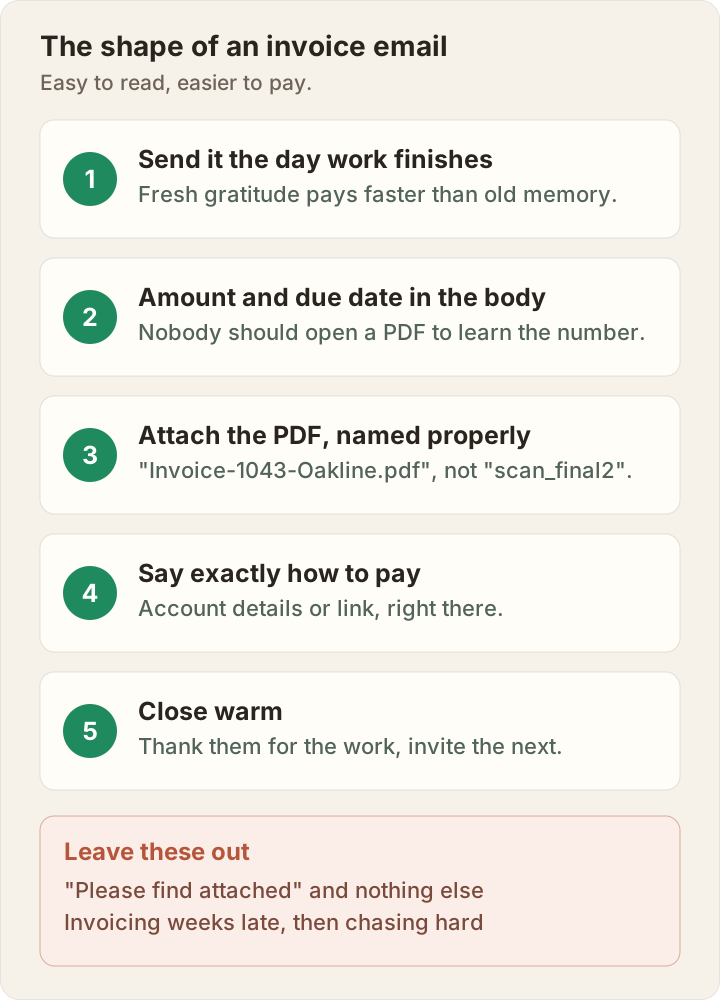
- Send it the day the work finishes. Or the goods ship. The invoice belongs to the same conversation as the delivery, not a separate one weeks later.
- Amount and due date in the body. "1,850 due by 5 September" readable in the preview pane. The PDF is the record. The email is the request.
- Attach the PDF, named properly. "Invoice-1043-Oakline.pdf" files itself in the client's system and survives being forwarded to their bookkeeper. "scan_final2.pdf" gets lost and loses you a week.
- Say exactly how to pay. Account details or the payment link in the message itself. Every step between reading and paying is a place where the payment stalls until tomorrow.
- Close warm. Thank them for the work and open the door to the next job. The invoice is a customer email, not a legal notice. It is allowed to sound like you.
Invoice email templates
Seven templates covering the life of a bill. Swap the brackets, keep the numbers exact and keep the warmth: firm about the details, friendly about everything else.
Subject: Invoice [number] from [business], [amount] due [date]
Hi [name], thanks again for having us on [the job], it was a pleasure. Attached is invoice [number] for [amount], covering [one plain line of what it covers]. Payment is due by [date] to the account on the invoice: [account name, sort code, account number, reference]. If anything on it looks off or your accounts team needs it in a different format, tell me and I will sort it the same day. It was a good one. We would happily work with you again.
[Your name], [business]
Subject: Your first invoice from [business], [amount] due [date]
Hi [name], attached is our first invoice to you, [number] for [amount], covering [the work]. Since it is the first, the practical bits: we invoice [when, e.g. on completion / on the 1st], terms are [X days] and payment goes to the account on the invoice, also here: [details]. One thing worth saying once: we will never change bank details by email alone. If you ever receive a message claiming we have, call me before paying anything. Thanks for the smooth start. The next one will just be a bill.
[Your name], [business]
Subject: Deposit invoice for [the job], [amount] to confirm [start date]
Hi [name], great to have this booked in. As agreed, attached is the deposit invoice for [amount], which is [percentage] of the [total] quote. Once it lands, your [start date] slot is locked and materials get ordered. The balance of [amount] is invoiced [when, e.g. on completion]. Payment details: [details]. Any delay on the deposit just moves the slot. If [date] still works for you, it works for us.
[Your name], [business]
Subject: Final invoice for [the project], [amount] due [date]
Hi [name], with [the project] wrapped up, attached is the final invoice: [number] for [amount], which is the agreed balance after the deposit of [amount]. It covers [one line], exactly as quoted, with [any agreed extras] itemised separately. Due by [date] to [details]. Alongside it you will find [the handover: files, guarantees, care notes]. Thank you for trusting us with this one. If you are pleased with how it turned out, we would love [the ask, e.g. a short review or a mention to anyone planning similar work].
[Your name], [business]
Subject: [Month] invoice from [business], [amount] due [date]
Hi [name], attached is this month's invoice, [number] for [amount], same arrangement as always. Worth a sentence this time: [one line of what the month actually included, e.g. the launch support in week two and the extra revision round]. Due [date] to the usual account. Always happy to walk through anything on it. Thanks as ever.
[Your name], [business]
Subject: Re: Invoice [number], due [day]
Hi [name], a friendly flag rather than a chase: invoice [number] for [amount] falls due on [day]. If it is already moving through your side, ignore me entirely. If it needs a nudge into an approval queue or you need anything from us to release it, a PO number, a different format, shout today and I will turn it around. Thanks again for the work itself.
[Your name], [business]
Subject: Corrected invoice [number], replaces the earlier version
Hi [name], you were right to query it, thank you for catching that. The earlier invoice [overcharged / missed] [the item] and the attached corrected version, [number], for [new amount], replaces it entirely. Please bin the first one. The due date resets to [date] so the mistake costs you time rather than us goodwill. Apologies for the extra admin and thanks for the patience.
[Your name], [business]

The nudge that prevents the chase
Template six is the quiet hero of this whole page. Most late payments are not defiance, they are drift: the invoice sank in an inbox, stalled in an approval queue or waits on a PO number nobody mentioned. A two-line nudge before the due date catches all three while everyone is still friendly and costs you nothing in relationship, because flagging a date is helpfulness where chasing a debt is friction. Make it routine for every invoice over a size you care about. When a payment does slip past due anyway, stop nudging and start the proper ladder: the late payment reminder guide takes over from there, escalating in calm, documented steps.
The bill is part of the relationship
It is tempting to treat invoices as paperwork that merely follows the real work. Clients experience it differently: the invoice email is one more sample of how you operate. A prompt, clear, warmly written bill confirms they hired someone organised. A late, bare "please find attached" hints that other things run loose too. This is the same lesson as the quote email at the other end of the job and the welcome email in between: every operational email is quietly auditioning you for the next piece of work.
The friction, as always, is writing them at volume. Ten invoices at month-end, each needing its own line about what the month included, its own dates and its own tone, is exactly when they collapse into the bare attachment email. That is the job ReciteMail does: it learns your voice from emails you have already sent, then turns "invoice Tom, 840 for the March retainer, mention the extra revision round, due the 14th" into a complete, warm, specific invoice email in seconds. It runs on your PC, never connects to your inbox and your client billing never leaves your machine.
One security habit worth stealing from template two. Invoice fraud works by emailing your clients "new bank details" that belong to a criminal. Beat it in one sentence, sent while nothing is wrong: we never change payment details by email alone, always confirm by phone. Clients remember it precisely because you said it before anything happened. See who ReciteMail is for.
Common questions
When should you send an invoice?
The day the work finishes or the goods ship, while the value is fresh in the client's mind. An invoice that arrives three weeks later lands on someone who has mentally moved on and it quietly signals that payment timing is casual on your side too. Same-day invoicing is the single cheapest improvement to cash flow most small businesses can make, because gratitude pays faster than memory.
What should an invoice email say?
The amount, what it is for and the due date, all in the body of the email, with the formal PDF attached as the record. Add exactly how to pay: account details or a payment link, right there in the message. Close warm by thanking them for the work. The email is the readable version and the attachment is the accounting version. Never make someone open a PDF to learn what they owe.
How do you politely remind a client an invoice is due?
Send a short friendly nudge two or three days before the due date, not after it. Something like: invoice 1043 falls due Friday, just flagging it in case it needs a push on your side, shout if anything is missing. It reads as helpfulness, catches the invoices that got lost or stuck in approval and converts most would-be late payments into on-time ones. Once a payment is actually overdue, a firmer reminder ladder takes over.
Should you put payment details in the email or only on the invoice?
Both. The PDF carries them for the record and the email repeats them so paying takes one glance and one action. Every extra step between reading and paying, opening the attachment, finding the account number, asking you for it, is a place where payment stalls until tomorrow. One caution: because emailed bank details are a known fraud target, tell clients you will never announce new account details by email alone and confirm any change by phone.
Invoices out the same day, in your voice
ReciteMail drafts invoice emails, nudges and every repeating client message in your own voice, learned from mail you have already sent. It runs on your PC, never connects to your inbox and your billing never leaves your machine. Free for 7 days, no card needed.
Start your free trial